Overview of Birth of Jesus Worksheet PDFs
Unscramble the words to complete the Bible verse and learn why God sent Jesus. The ministry-to-children.com worksheet invites students to fill in the blanks: The ____________ sent his _______ to be the _____________ of the __________. Download the PDF to print and share with your class for engaging study.!!
Purpose and Learning Outcomes

The primary purpose of the Birth of Jesus worksheet PDF is to introduce young learners to the foundational narrative of Christian faith while developing literacy and critical thinking skills. By engaging with the unscramble activity, students practice decoding Scripture, reinforcing vocabulary, and recalling key details such as “The angel announced that Mary’s child would be the Savior of the world.” The worksheet also encourages reflection on the theological significance of the incarnation, prompting learners to connect the promise of a Messiah with the historical reality of Jesus’ birth. Through guided discussion, students can articulate why God sent Jesus, thereby internalizing the concept of divine love and redemption. The learning outcomes include improved reading fluency, enhanced comprehension of biblical context, and the ability to apply scriptural insights to personal life. Additionally, the activity fosters collaborative learning as children work in pairs or small groups to solve the word puzzles, share answers, and discuss the implications of the verse. By the end of the lesson, participants should be able to recite the complete verse, explain its meaning, and identify the role of Jesus as the Savior, thereby meeting the curriculum standards for early childhood biblical education.
Teachers can integrate the worksheet into a lesson plan that includes a short video, a role‑play activity, and a reflective journal entry. The PDF is formatted for easy printing with clear margins and a high‑contrast design that supports visual learners. After completing the unscramble, students discuss how the verse connects to the Gospels. Share. Reflect.

Key Biblical Passages Covered
Matthew 1‑2 and Luke 1‑2 highlight the genealogy, angelic announcement, and humble birth in Bethlehem. The worksheet focuses on verses like Luke 2:11, “The Savior of the world is born.” Students unscramble words to reinforce these key scriptural moments. Great job!! Remember the promise. And share!!!!
Matthew 1-2 and Luke 1-2 Verses
In the “Birth of Jesus” worksheet PDF, the focus is on the foundational passages that chronicle the divine plan and the humble arrival of the Messiah. Students first encounter Matthew 1:1‑17, which traces the genealogy from Abraham to Joseph, emphasizing the promise of a Savior. The worksheet then highlights Matthew 2:1‑12, where the Magi’s journey and the wise men’s gifts illustrate the recognition of Christ by the Gentiles. The next section moves to Luke 1:26‑38, the angel Gabriel’s announcement to Mary, underscoring the miraculous conception. Finally, Luke 2:1‑20 presents the nativity scene, the shepherds’ visitation, and the proclamation “Glory to God in the highest, and on earth peace among those whom he loves.” Each verse is paired with a word‑unscramble activity that encourages students to reconstruct key phrases, such as “the Savior of the world” or “the King of Israel.” The PDF format allows teachers to print the pages, distribute them to small groups, and use the blanks for interactive discussion. By engaging with these verses, learners gain a deeper appreciation for the theological significance of Jesus’ birth and the fulfillment of prophetic scripture. The worksheet is designed to be age‑appropriate, with clear fonts and ample spacing, making it suitable for kindergarten through third‑grade classrooms. Teachers can use the activity as a pre‑reading warm‑up or a post‑lesson review, ensuring that the core message of hope, grace, and divine love remains at the forefront of the lesson. The PDF also includes a brief reflection prompt, encouraging students to write a short note about what the birth of Jesus means to them personally. This holistic approach blends scripture study with creative expression, making the ancient narrative accessible and relevant to young learners. The resource is freely downloadable from ministry‑to‑children.com, ensuring that educators have reliable, high‑quality material for their curriculum.

Frequently Used Activity Types
Word unscramble, fillin‑the‑blank, matching, and coloring activities dominate the Birth of Jesus worksheet PDFs. These interactive tasks help students recall scripture, identify key figures, and visualize the nativity scene, fostering engagement and deeper understanding. Students discuss answers now
Word Unscramble for Scripture
Word‑unscramble activities are a staple in Birth of Jesus worksheet PDFs, providing a playful yet educational way for students to engage with key passages. In a typical exercise, learners are presented with a list of jumbled words that, when rearranged, reveal a complete verse or phrase from the nativity narrative. The activity usually follows a simple format: a set of scrambled words is displayed in a table, each accompanied by a blank space where the correct word should be written. Students must first identify the correct letters, then write the unscrambled word in the designated spot. This process reinforces spelling, vocabulary, and comprehension of the scripture context.
Teachers can customize the difficulty level by selecting longer or more complex words for older students, or by providing hints such as the first letter or a short definition. Some worksheets also include a “check” column where the answer key is printed for quick self‑assessment. Additionally, the activity can be turned into a group challenge, encouraging collaboration and discussion about the meaning of the verse once the words are correctly assembled. By integrating word unscramble tasks, educators help students internalize the biblical text while developing critical thinking and problem‑solving skills.
For example, a worksheet might present the scrambled phrase “srotiV” which unscrambles to “Vistor,” and students must place it in the sentence “The ___ of the nativity.” This simple yet effective exercise encourages active participation and reinforces the narrative of Jesus’ birth. By repeating this process across multiple verses, learners build confidence and recall.
When completed, the worksheet serves as both a teaching tool and a memory aid, allowing children to revisit the scripture in a fun, interactive format that supports long‑term retention.
Remember to review the answers together to reinforce learning.
Enjoy the learning journey!
Age Group Targeting
Birth of Jesus worksheet PDFs are tailored for kindergarten to grade 3, featuring simple language, large fonts, and engaging visuals. Younger learners receive picture‑rich pages, while older students get slightly more complex verses and activities. Teachers adapt colors all!!!!!
Kindergarten to Grade 3 Adaptations
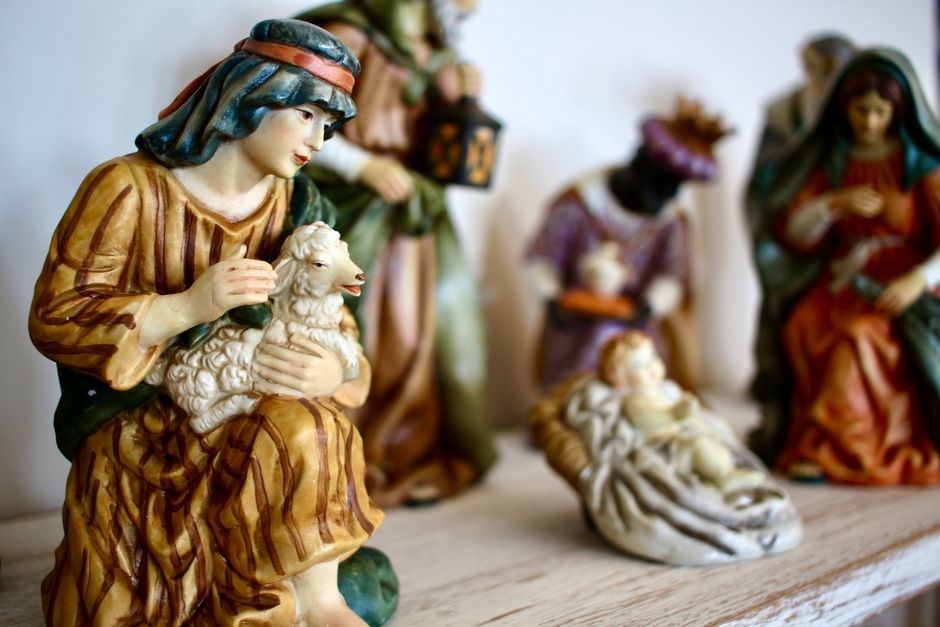
For young learners, the Birth of Jesus worksheet PDF offers a gentle introduction to scripture. The design uses large, bold lettering so children can read each word with confidence. Picture‑rich pages illustrate the nativity scene, helping visual thinkers connect the story to the text. The unsolved word scramble is broken into short, manageable segments, allowing kids to focus on one clue at a time. Colorful accents highlight key terms such as “Mary,” “Joseph,” and “angel.”
Teachers can adjust difficulty by adding or removing clues. For kindergarteners, the worksheet might only include the first verse, “The ____________ sent his _______ to be the _____________ of the __________.” Older students in grades two and three can tackle a second verse, “And the angel said to the shepherds, “Do not be afraid.” The PDF also includes a simple matching activity where children pair words with corresponding images, reinforcing comprehension through kinesthetic learning.
Parents and caregivers can use the printable PDF at home, encouraging family discussion about the meaning of each verse. The worksheet’s clear, step‑by‑step instructions guide children through the process of unscrambling words, fostering independent problem‑solving skills. By the end of the activity, students will have a deeper appreciation for the biblical narrative and the significance of Jesus’s birth.
Additionally, the PDF includes a short reflection prompt: “What does the birth of Jesus mean to you?” This encourages personal connection and helps teachers assess understanding in a formative way. The worksheet is available in both standard and high‑contrast versions, ensuring accessibility for all learners. Downloading from ministry‑to‑children.com guarantees that the material is free, safe, and aligned with Christian educational standards. The file size is modest, making it easy to share via email or classroom learning platforms. By incorporating these adaptations, the worksheet becomes a versatile tool for early childhood educators seeking to introduce biblical stories in an engaging, age‑appropriate manner. Teachers can also print a version for visual learners.!
Printable PDF Specifications
The Birth of Jesus worksheet PDF is available in standard and high‑contrast layouts, each page sized A4 with clear margins. Files are under 2 MB, PDF/Adobe Reader compatible, and include a printable header, footer, and page numbers for easy classroom use. Downloadable files work on Windows and Mac,nowsetup.
Standard and High-Contrast Layouts
The standard layout of the Birth of Jesus worksheet PDF is designed for everyday classroom use. It features a clean A4 format with generous margins, a centered title, and a brief introductory sentence. Activities move from simple word‑unscrambles to fill‑in‑the‑blank verses, printed in a 12‑point Times New Roman or Arial font. The header and footer use a light gray background with black text, while the main content remains black on white paper. Margins are set to 1.5 cm on all sides to avoid trimming during printing. Page numbers appear at the bottom right in a 10‑point font, and a small logo is positioned in the top left corner for brand consistency. The high‑contrast version is tailored for students with visual impairments or low‑light classrooms. It replaces the light gray header with a deep navy or black background, switches the main text to white or very light gray, and increases the font size to 14 points with 1.5 line spacing. Images are rendered in high‑contrast black‑and‑white. A built‑in accessibility tag allows screen readers to navigate the document efficiently. Both versions maintain the same content structure, ensuring teachers can switch layouts without altering the instructional flow. By offering these two formats, the worksheet meets diverse classroom needs while preserving the biblical narrative and engaging activities for young learners. Students can also use the worksheets as a basis for creative storytelling projects and group presentations.

Reliable Download Sources
Trusted sites include ministry-to-children.com, biblestudy.org, and kidsfaith.org. Each offers free PDFs, with clear download buttons, no sign‑up required. Verify file integrity via SHA‑256 checksums posted on the site; Download, print, and share safely with your class. All PDFs are PDF/A compliant safe now!
Ministry-to-Children and Other Trusted Sites
Ministry-to-Children.com hosts a selection of birth‑of‑Jesus worksheets. Each PDF contains a word‑unscramble activity that reinforces key verses. The download page lists file size, version, and a brief description, so educators can verify authenticity before printing. KidsFaith.org offers a similar set, with printable resources that align with the New Testament narrative. Both sites feature a “Safe Download” badge, indicating malware‑free PDFs that meet PDF/A standards. Educators should note the copyright statements; most worksheets are licensed for non‑commercial use and require classroom attribution. The official BibleStudy.org portal adds a “Birth of Jesus” module with interactive PDFs, flashcards, and an audio narration. Each resource includes a brief usage guide and discussion prompts. By using these trusted platforms, teachers can confidently integrate scripture‑based activities while maintaining digital safety and copyright compliance.
Downloading is simple: click the “Download PDF” button, then save or print. PDFs are under 200 KB, ensuring quick load times even on low‑bandwidth connections. Teachers can request a bundle covering the entire birth narrative, which includes worksheets for the angelic announcement, the journey to Bethlehem, and the shepherds’ visit. The sites also provide a FAQ section that answers questions about file compatibility, color printing, and embedding worksheets into a digital learning platform. Following these steps lets educators seamlessly incorporate high‑quality, scripture‑based materials into their curriculum. Files are PDF/A compliant for long‑term preservation!!

Classroom Implementation Tips
Begin with a brief pre‑reading of the birth narrative. Hand out the PDF, let students unscramble verses, then discuss the meaning. Use a timer to keep activity focused. Afterward, have a quick reflection circle, and collect worksheets for teacher feedback. Students can create a story to reinforce now.
Pre-Reading and Post-Discussion Strategies
Before distributing the Birth of Jesus worksheet PDF, read the introductory passage aloud to set context. Highlight key terms like “Messiah,” “Bethlehem,” and “angel.” Then, have students predict what the unscrambled verse might reveal. After completing the activity, gather the class for a guided discussion: ask them to explain why each missing word matters, how it connects to the larger narrative, and what personal meaning it holds. Encourage students to share personal reflections or questions. Finally, assign a brief reflective writing prompt that asks them to write one sentence about how the story of Jesus’ birth impacts their daily life. This cycle reinforces comprehension, critical thinking, and personal connection to the text.
During the discussion, use guiding questions such as: “What surprised you about the verse?” and “How does this story connect to your own family traditions?” Allow students to pair up and share insights before the whole class shares. After the discussion, provide a quick exit ticket: students write one sentence summarizing the lesson’s main point. This reinforces retention and gives the teacher a snapshot of understanding. Additionally, consider displaying a timeline of the nativity events on the classroom wall to provide a reference for future lessons. Use the collage brightcolorful as a aid during the next lesson to review details celebrate the story’s impact.
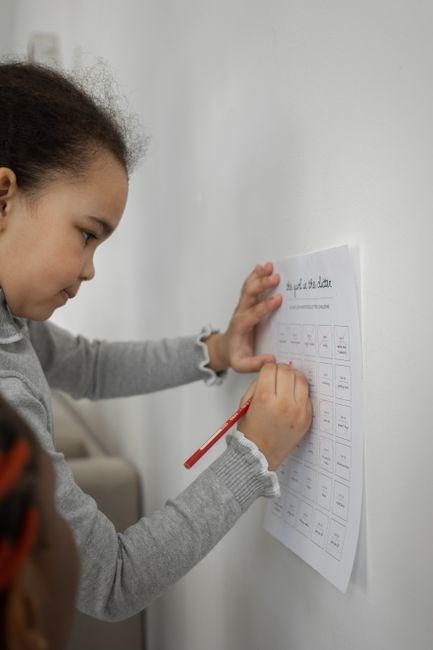
Assessment and Feedback Mechanisms
Use a quick self‑check sheet where students mark correct unscrambles. Teachers then evaluate responses, noting common errors and offering targeted feedback. Digital quizzes can auto‑grade, providing instant scores and suggestions for review. Score chart! Now
Quick Self-Check and Teacher Evaluation
After students complete the “Unscramble the words to complete the Bible verse” activity, they can immediately test their understanding with a quick self‑check sheet. The sheet lists each scrambled phrase, a blank for the correct answer, and a checkbox. Students tick the box once they have filled in the missing words, allowing them to see at a glance which verses they have mastered and which ones need review. This instant feedback helps reinforce the narrative of the birth story and the significance of each key term.
Teachers then review the same sheet, marking each answer as correct or incorrect. A simple rubric assigns one point for each correctly unscrambled phrase, with a total possible score of 10. Teachers can also note common misconceptions—such as confusing “Messiah” with “King” or misplacing “Bethlehem”—and use these insights to plan follow‑up lessons or targeted reteaching. The rubric is printed on the same PDF, so it can be handed out for students to self‑grade before the teacher collects the sheets.
For larger classes, the teacher can use a digital version of the worksheet. Students upload their completed PDFs to a shared drive, and the teacher uses a spreadsheet to tally scores automatically. This method saves time and provides a clear record of each student’s progress. The self‑check and evaluation process not only measures comprehension but also encourages students to take ownership of their learning, fostering a deeper engagement with the birth narrative. Students can also share their answers with peers to discuss any differences and deepen their understanding!
Leave a Reply
You must be logged in to post a comment.