
Rinnai Ducted Air Conditioner Manual: A Comprehensive Guide
This comprehensive guide details Rinnai ducted systems‚ covering installation‚ operation‚ maintenance‚ and troubleshooting – including J‚ Q‚ P‚ and T series models․
Rinnai ducted air conditioning offers a sophisticated climate control solution for homes and businesses․ These systems utilize a central unit to cool or heat air‚ distributing it through a network of ducts to various zones․ Rinnai provides diverse series – J‚ Q‚ P‚ and T – each catering to specific needs and budgets․
Understanding your system begins with familiarizing yourself with its components and operational principles․ Proper installation and regular maintenance‚ as outlined in this manual‚ are crucial for optimal performance and longevity․ Rinnai prioritizes energy efficiency and user comfort‚ integrating advanced technologies like inverter control and zoning capabilities․ This guide will empower you to effectively manage and maintain your Rinnai system‚ ensuring a comfortable indoor environment year-round․
Understanding Different Rinnai Series (J‚ Q‚ P‚ T)
Rinnai offers a range of ducted air conditioning series‚ each designed with specific features and benefits․ The J Series represents a reliable and cost-effective option‚ while the Q Series incorporates inverter technology for enhanced energy efficiency and precise temperature control․
P Series models often focus on advanced zoning capabilities‚ allowing for customized comfort in different areas of your home․ The T Series typically represents Rinnai’s premium offering‚ boasting cutting-edge features and superior performance․ Understanding these distinctions is vital when selecting a system or troubleshooting issues․ Refer to your specific model’s service manual for detailed specifications and compatibility information․ Choosing the right series ensures optimal comfort and efficiency for your needs․
Installation and Setup
Proper installation requires a checklist‚ electrical connections‚ and refrigerant charging․ Always consult the manual and qualified technicians for safe and effective setup․
Initial Installation Checklist
Before beginning‚ verify all components are present and undamaged‚ referencing the parts list in your Rinnai manual․ Confirm the indoor and outdoor units are appropriately sized for the space․ Ensure adequate space around the units for servicing and airflow․
Check the electrical supply matches the unit’s requirements․ Inspect ductwork for leaks or obstructions‚ ensuring proper insulation․ Verify the condensate drain line is correctly installed and has a clear path for drainage․
Crucially‚ review all safety precautions outlined in the manual before proceeding․ Document serial numbers for warranty purposes․ A pre-installation inspection prevents future issues and ensures optimal performance of your Rinnai ducted system․
Electrical Requirements and Connections
Rinnai ducted air conditioners demand specific electrical configurations․ Always consult the unit’s manual for precise voltage‚ amperage‚ and phase requirements․ A dedicated circuit is typically necessary to prevent overloading․ Employ appropriately sized wiring and circuit breakers‚ adhering to local electrical codes․

Ensure the power supply is disconnected before making any connections․ Correctly ground the unit to minimize electrical hazards․ Double-check all wiring connections for tightness and proper insulation․ Improper electrical work can void the warranty and create safety risks․
Professional installation is strongly recommended to guarantee safe and compliant electrical connections․
Refrigerant Charging and System Evacuation
Proper refrigerant levels are crucial for optimal Rinnai system performance․ Before charging‚ thoroughly evacuate the system using a vacuum pump to remove air and moisture․ This prevents contamination and ensures efficient operation․
Refer to the unit’s nameplate for the correct refrigerant type (typically R410A) and charging weight․ Use calibrated gauges to accurately measure refrigerant pressure during charging․ Overcharging or undercharging can significantly reduce cooling capacity and damage the compressor․
Refrigerant handling requires EPA certification; improper handling is illegal and environmentally damaging․ Always recover any remaining refrigerant before disposal․
Operating Your Rinnai System
Effectively utilize your Rinnai system by understanding thermostat controls‚ operating modes (cool‚ heat‚ auto‚ dry)‚ and fine-tuning fan speeds for optimal comfort․
Using the Thermostat (Skycon & Others)
Rinnai systems often feature the Skycon thermostat‚ known for its intuitive interface and advanced features․ However‚ other compatible thermostats can also be used․ Begin by ensuring the thermostat has fresh batteries or is properly powered․
To adjust the temperature‚ use the up and down arrows․ Explore the menu options to access scheduling‚ fan control‚ and operating modes․ If the thermostat is unresponsive‚ attempt a reset by briefly disconnecting the power․
For Skycon specifically‚ familiarize yourself with its zone control capabilities‚ allowing independent temperature settings for different areas of your home․ Consult the Skycon manual for detailed instructions on programming and utilizing its full potential; Remember to test the system after any adjustments․
Understanding Operating Modes (Cool‚ Heat‚ Auto‚ Dry)
Rinnai ducted air conditioners offer several operating modes to suit various needs․ Cool mode lowers the room temperature by actively removing heat; Heat mode provides warmth during colder months‚ utilizing the system’s heating capabilities․
Auto mode intelligently switches between cooling and heating to maintain a set temperature‚ optimizing energy efficiency․ Dry mode‚ or dehumidification‚ reduces humidity levels without significantly altering the temperature – ideal for damp climates․
Selecting the appropriate mode is crucial for comfort and energy savings․ Experiment with each mode to determine which best suits your environment and preferences․ Refer to your system’s manual for specific details on each mode’s functionality and optimal usage․
Fan Speed Control and Airflow Adjustment
Rinnai ducted air conditioning systems allow for precise control over fan speed and airflow․ Typically‚ you can select from multiple fan speeds – low‚ medium‚ and high – to customize the cooling or heating intensity․ Lower speeds are quieter and consume less energy‚ while higher speeds provide faster temperature adjustments․

Airflow adjustment is often managed through zone dampers‚ enabling you to direct conditioned air to specific areas of your home; This feature optimizes comfort and energy efficiency by focusing airflow where it’s needed most․
Proper adjustment ensures even temperature distribution and minimizes wasted energy․ Consult your system’s manual for detailed instructions on fan speed settings and damper control․

Maintenance and Cleaning
Regular maintenance ensures optimal performance and longevity․ Key tasks include filter cleaning/replacement‚ coil cleaning‚ and thorough ductwork inspection for efficiency․
Filter Cleaning and Replacement
Maintaining clean filters is crucial for efficient airflow and indoor air quality within your Rinnai ducted system․ Filters should be inspected monthly‚ and cleaned or replaced as needed‚ typically every 1-3 months depending on usage and environmental conditions․ A dirty filter restricts airflow‚ causing the system to work harder‚ increasing energy consumption‚ and potentially leading to component failure․
To clean reusable filters‚ gently vacuum or wash with mild detergent and water‚ ensuring they are completely dry before reinstalling․ Disposable filters must be replaced with the correct size and type specified in your Rinnai manual․ Always turn off the system before accessing the filters․ Refer to your specific model’s manual for precise filter location and replacement instructions․
Coil Cleaning Procedures
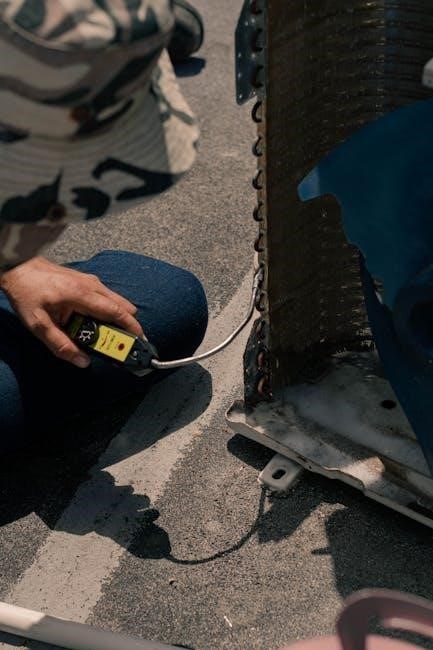
Regular coil cleaning is essential for maintaining optimal performance and efficiency of your Rinnai ducted air conditioning system․ Both the evaporator and condenser coils accumulate dust and debris‚ reducing their ability to transfer heat effectively․ Professional cleaning is recommended annually‚ but you can perform preliminary cleaning yourself․
Before cleaning‚ disconnect power to the unit․ Use a soft brush or vacuum with a brush attachment to remove loose dirt․ Specialized coil cleaner (available at HVAC supply stores) can be applied‚ following the product instructions carefully․ Avoid bending the fins․ Rinse gently with water‚ ensuring all cleaner residue is removed․ A clean coil ensures efficient operation and extends the lifespan of your system․
Ductwork Inspection and Maintenance
Regular ductwork inspection is crucial for maintaining efficient airflow and indoor air quality within your Rinnai ducted system․ Inspect ducts for leaks‚ tears‚ or disconnections‚ especially at joints and seams․ Seal any leaks with UL 181-approved duct tape or mastic sealant – avoid using standard duct tape․
Check for proper insulation and add more if needed to prevent energy loss․ Consider professional duct cleaning every few years to remove accumulated dust and allergens․ Ensure dampers are functioning correctly to control airflow to different zones․ Well-maintained ductwork optimizes system performance and reduces energy consumption‚ contributing to a comfortable indoor environment․
Troubleshooting Common Issues
Common problems include power failures‚ inconsistent temperatures‚ error codes‚ and damper malfunctions․ Resetting the system or checking power sources often helps resolve issues․
System Not Powering On
If your Rinnai ducted air conditioner fails to power on‚ begin with the simplest checks․ First‚ verify the main power supply to the unit is active and hasn’t tripped a breaker․ Test the thermostat batteries and replace them if they are low or unresponsive․ A complete power cycle – turning off the system at the breaker for five minutes – can often resolve minor electrical glitches․
Inspect external power cords for damage or loose connections․ Ensure the unit’s power switch is in the ‘on’ position․ If these steps don’t work‚ consult the electrical requirements section of the manual to confirm proper voltage and wiring․ For persistent issues‚ contacting a qualified Rinnai technician is recommended to diagnose potential electrical faults safely․
Inconsistent Temperatures & Cooling Problems
Experiencing uneven temperatures or inadequate cooling with your Rinnai ducted system? Several factors could be at play․ Begin by ensuring air filters are clean‚ as restricted airflow significantly impacts performance․ Check that all supply and return vents are unobstructed and fully open․ Inspect the ductwork for any visible damage or leaks‚ which can lead to energy loss․
If the issue persists‚ consider potential refrigerant problems․ Low refrigerant levels require professional attention․ Damper issues preventing proper zone control can also cause inconsistencies․ Resetting the system or consulting a qualified technician for a thorough diagnostic evaluation is crucial for resolving these cooling challenges․
Error Codes and Their Meanings

Rinnai ducted air conditioners utilize error codes to signal specific system malfunctions․ These codes‚ displayed on the thermostat (like Skycon) or the indoor unit‚ provide valuable diagnostic information․ Consult your specific model’s manual for a complete list‚ as codes vary between series (J‚ Q‚ P‚ T)․
Common errors might indicate refrigerant leaks‚ compressor failures‚ fan motor issues‚ or sensor malfunctions․ Skycon Airs offers expert troubleshooting support to decipher these codes․ Ignoring error codes can lead to further damage․ Always record the error code before contacting Rinnai support or a qualified technician for accurate assistance and repair․
Damper Issues and Zone Control Problems
Rinnai ducted systems often feature zone control‚ utilizing dampers to direct airflow․ Problems with these dampers can cause inconsistent temperatures between zones․ If a zone isn’t heating or cooling‚ check the damper position via the thermostat or system controls․ Dampers may become stuck‚ unresponsive‚ or fail to open/close correctly․
Resetting the system by briefly cutting power can sometimes resolve minor damper issues․ If the problem persists‚ inspect the damper motors and wiring for damage․ A technician may be needed to diagnose and repair complex zone control malfunctions‚ ensuring optimal comfort and energy efficiency throughout your home․

Advanced Troubleshooting & Repair
Complex repairs‚ like refrigerant leak diagnosis‚ compressor issues‚ and fan motor replacement‚ require specialized tools and expertise – consult a qualified Rinnai technician․
Diagnosing Refrigerant Leaks
Identifying refrigerant leaks is crucial for optimal system performance․ Begin by visually inspecting all refrigerant lines‚ connections‚ and the compressor for oil residue‚ a common indicator of a leak․ Utilize an electronic leak detector‚ carefully sweeping across joints and components․
A UV dye can be injected into the system; using a UV light reveals dye traces at leak points․ Low refrigerant levels often manifest as inconsistent cooling or the system failing to start․ Remember‚ handling refrigerants requires EPA certification due to environmental regulations․
Professional leak testing‚ including pressure testing with nitrogen‚ confirms leak locations․ Addressing leaks promptly prevents compressor damage and ensures efficient operation․ Always refer to the Rinnai service manual for specific refrigerant types and pressures․
Compressor Issues and Potential Solutions
Compressor failure significantly impacts cooling capacity․ Common issues include overheating‚ electrical faults‚ or mechanical breakdowns․ Check the compressor’s overload protector and capacitor; replacement may resolve minor problems․ Electrical issues require a qualified technician for diagnosis and repair‚ ensuring safety․
Low refrigerant levels can strain the compressor‚ leading to failure․ Inspect for leaks and recharge the system correctly․ A noisy compressor often indicates internal damage‚ necessitating replacement․ Before replacing‚ verify proper voltage supply and wiring connections․
Professional diagnosis is vital‚ as compressor repairs are complex․ Refer to the Rinnai service manual for specific compressor models and troubleshooting steps․ Ignoring compressor issues leads to further system damage․
Fan Motor Problems and Replacement
Fan motor failures manifest as unusual noises‚ reduced airflow‚ or complete motor stoppage․ Initial checks involve verifying power supply and inspecting the motor capacitor – a common point of failure․ Overheating‚ often due to dust accumulation or bearing wear‚ can also cause issues․ Lubrication of bearings (if applicable) may temporarily restore function․
If the motor continues to malfunction‚ replacement is usually necessary․ Ensure the new motor matches the original specifications (voltage‚ horsepower‚ RPM); Disconnect power before any work․ Carefully document wiring connections before removal for correct re-installation․
Consult the Rinnai service manual for specific motor part numbers and replacement procedures․ A qualified technician should handle complex electrical connections and ensure proper system operation post-replacement․

Safety Precautions
Always prioritize safety when working with Rinnai systems‚ adhering to electrical guidelines and refrigerant handling procedures․ Read the safety manual carefully!
Electrical Safety Guidelines
Prioritize electrical safety during installation and maintenance․ Ensure the power supply matches the unit’s requirements‚ and always disconnect power before any work․ Verify proper grounding to prevent shocks and utilize appropriately sized circuit breakers․
Inspect wiring for damage before connecting‚ and never work with wet hands or in damp environments․ Qualified technicians should handle complex electrical connections․ Avoid overloading circuits‚ and adhere to all local electrical codes․ Regularly check for loose connections or frayed wires․
Always consult the manual for specific electrical specifications and safety warnings related to your Rinnai model․ Ignoring these guidelines can lead to serious injury or system damage․
Refrigerant Handling Safety
Refrigerant handling requires strict adherence to safety protocols․ Rinnai systems utilize refrigerants that can be harmful if mishandled․ Always wear appropriate personal protective equipment‚ including gloves and eye protection‚ when working with refrigerant lines․
Ensure adequate ventilation during charging or evacuation procedures to avoid inhalation of refrigerant vapors․ Never release refrigerant into the atmosphere; it’s environmentally damaging and illegal․ Properly dispose of used refrigerant according to local regulations․
Only certified technicians should perform refrigerant-related services․ Consult the manual for specific refrigerant type and pressure guidelines․ Leaks must be addressed immediately by a qualified professional․
General Safety Warnings
Prior to any maintenance or operation‚ disconnect power to the Rinnai ducted air conditioning system at the breaker․ Never attempt repairs beyond your skill level; improper servicing can lead to hazards․ Inspect ductwork regularly for damage or obstructions‚ ensuring proper airflow․
Keep flammable materials away from the unit․ Do not operate the system with missing panels or covers․ Always refer to the manual for specific safety instructions related to your model․
Regularly check for unusual noises or smells‚ and address them promptly․ Ensure the surrounding area is clear for safe access during servicing․ Improper use voids the warranty․
Resources and Support
Access Rinnai manuals online‚ contact their support team for assistance‚ or locate qualified technicians for professional service and repairs․
Finding Rinnai Manuals Online
Locating your Rinnai ducted air conditioner manual is straightforward․ The official Rinnai website provides a dedicated support section where you can search for documents by model number․ Simply enter your unit’s specific identifier to access downloadable PDFs․
Alternatively‚ several online resources archive older manuals‚ proving useful if you possess an older system․ Be sure to verify the manual’s compatibility with your exact model․
Key search terms include “Rinnai ducted air conditioner manual‚” followed by your series (J‚ Q‚ P‚ or T) and model number․ Always prioritize official Rinnai sources for the most accurate and up-to-date information regarding your system’s operation and maintenance․
Contacting Rinnai Support
For direct assistance with your Rinnai ducted air conditioning system‚ reaching out to Rinnai Support is crucial․ Skycon Air provides a dedicated support line at 1300 264 424‚ offering expert troubleshooting and repair guidance․
The official Rinnai website also features a contact form and frequently asked questions (FAQ) section‚ addressing common concerns․ When contacting support‚ have your model number and a detailed description of the issue readily available․
Promptly providing this information expedites the support process․ Rinnai’s customer service team can offer valuable insights‚ schedule service appointments‚ or direct you to qualified technicians in your area․
Locating Qualified Rinnai Technicians
Ensuring optimal performance and longevity of your Rinnai ducted air conditioning system requires professional servicing․ Rinnai recommends utilizing qualified technicians for installations‚ repairs‚ and complex troubleshooting․ Skycon Air can assist in connecting you with experienced professionals․
Rinnai’s website may offer a “Find a Technician” tool‚ allowing you to locate authorized service providers in your region․
When selecting a technician‚ verify their credentials‚ experience with Rinnai systems‚ and insurance coverage․ A skilled technician will accurately diagnose issues‚ perform necessary repairs‚ and ensure your system operates efficiently and safely․
Leave a Reply
You must be logged in to post a comment.